How Much Does a Garden Sauna Cost? Prices Compared
What really drives the price of a garden sauna, which numbers in an offer to question and how to compare quotes properly, with kit and delivery explained.
Read →One of the few figures in an offer that really means something and is easy to check. The difference between 32 and 44 mm sounds like a detail, but it decides whether the sauna works in winter.
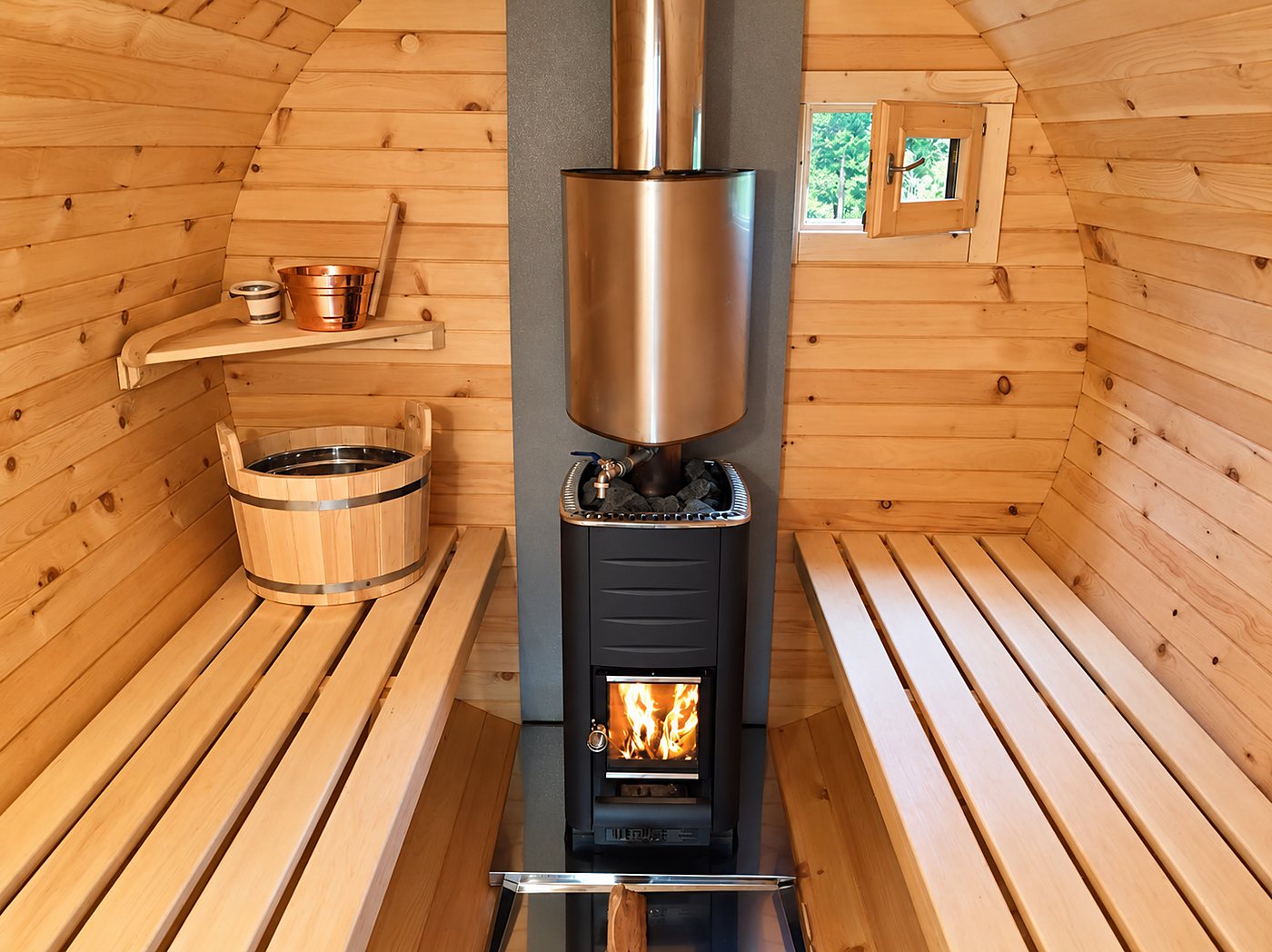
At this thickness the solid wood itself acts as sufficient insulation, so no extra layer is needed. The wall is structure, insulation and interior cladding in one, and that is the barrel’s advantage over a stud-frame cabin. Our kits use 44 mm Nordic spruce.
With this thickness the sauna holds its temperature in winter, and a stove sized at 1 kW per cubic metre manages without running at its limit.
32–38 mm heats up faster because there is less mass. But it cools down just as fast, since the same smaller mass stores heat less well.
In summer you barely notice. At −15 °C it is very noticeable: the sauna loses temperature every time you open the door and the stove cannot keep up.
It only makes sense for a seasonal sauna used from April to October. For year-round use it is a saving that works against the buyer.
Above 44 mm you gain temperature stability and less movement in the wood as humidity changes. You pay with longer heat-up, a higher price and more weight.
In a mild, maritime climate that is mostly more than you need. It makes more sense where winters are long and hard.
With 44 mm solid wood and a round cross-section, mostly not. The round shape limits losses by itself, because it has a small surface in relation to its volume.
Mineral wool turns up in double-wall variants. The price rises, but so does the risk: a badly made vapour barrier means moisture trapped in the wall, which you can neither see nor fix later without taking it apart.
A simple rule: solid wood of the right thickness is safer than a badly made layered build.
Warm air collects at the top, so the most heat escapes upwards. On a round barrel the roof is part of the same wall; on rectangular saunas and cabins the ceiling is sometimes thinner than the walls because that is cheaper.
With rectangular models, ask directly: is the roof the same thickness as the walls?
Ask whether the thickness refers to the wall alone or to the whole profile including the tongue-and-groove joint. They are two different numbers, and the gap can be large.
Ask for a photo of the cross-section of a stave, or look at the construction in person. Thickness is one of the few things you can measure with a ruler in three seconds.
Name and phone number — we will message you on WhatsApp, help you pick the size and price it with delivery to your address.
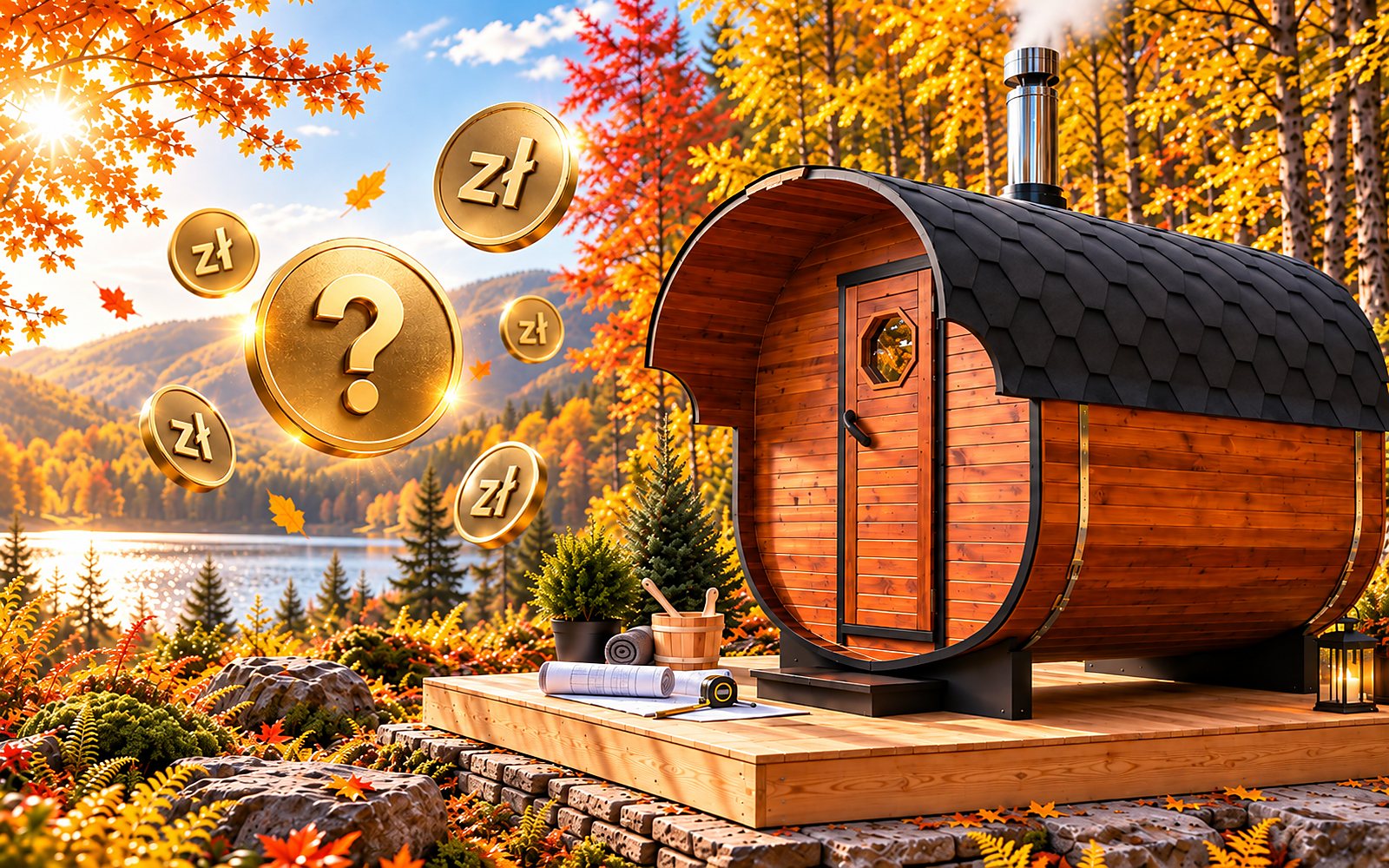
What really drives the price of a garden sauna, which numbers in an offer to question and how to compare quotes properly, with kit and delivery explained.
Read →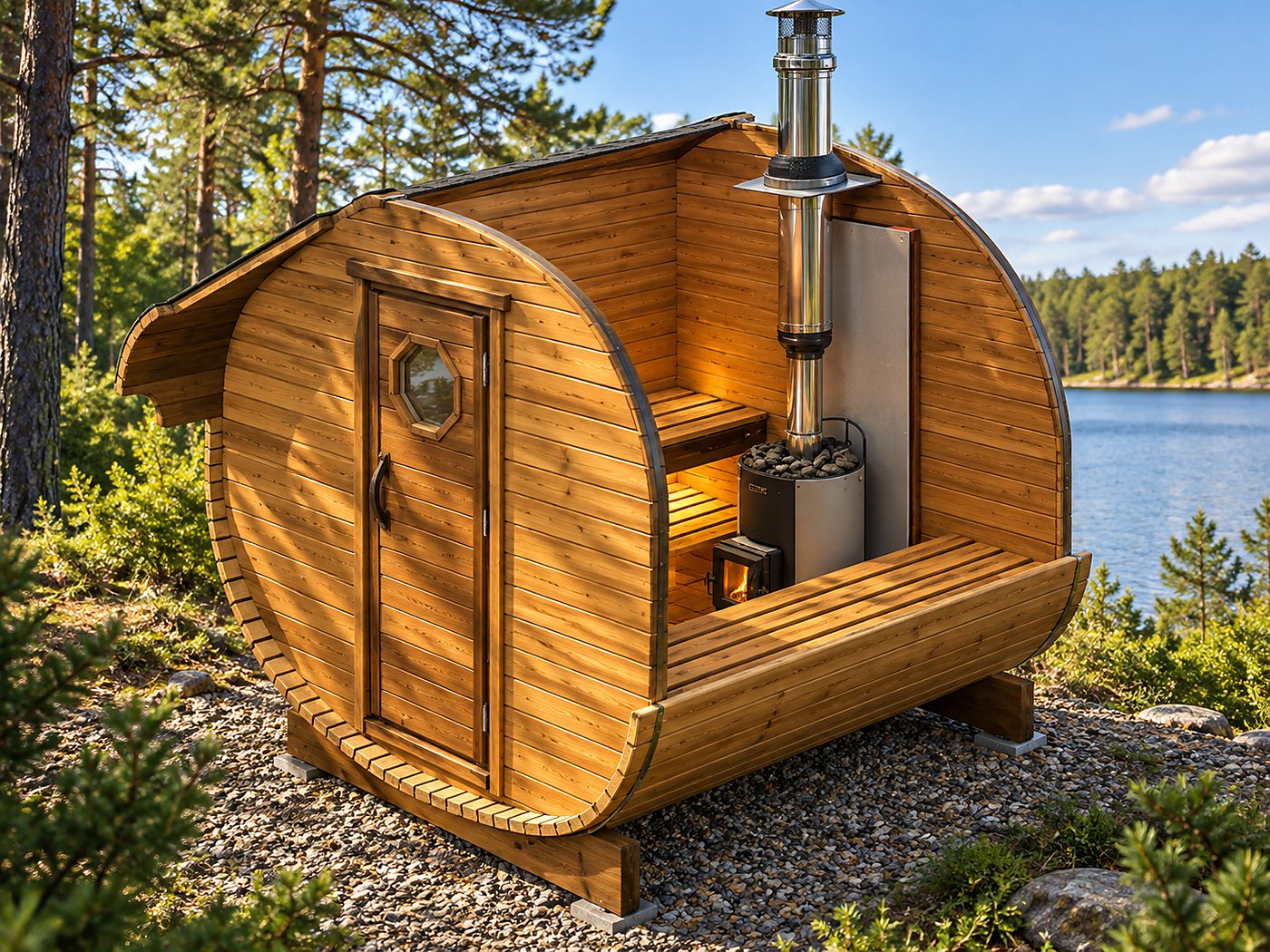
Does a garden sauna need planning permission or building regulations approval? What it depends on and how to confirm it with your local council.
Read →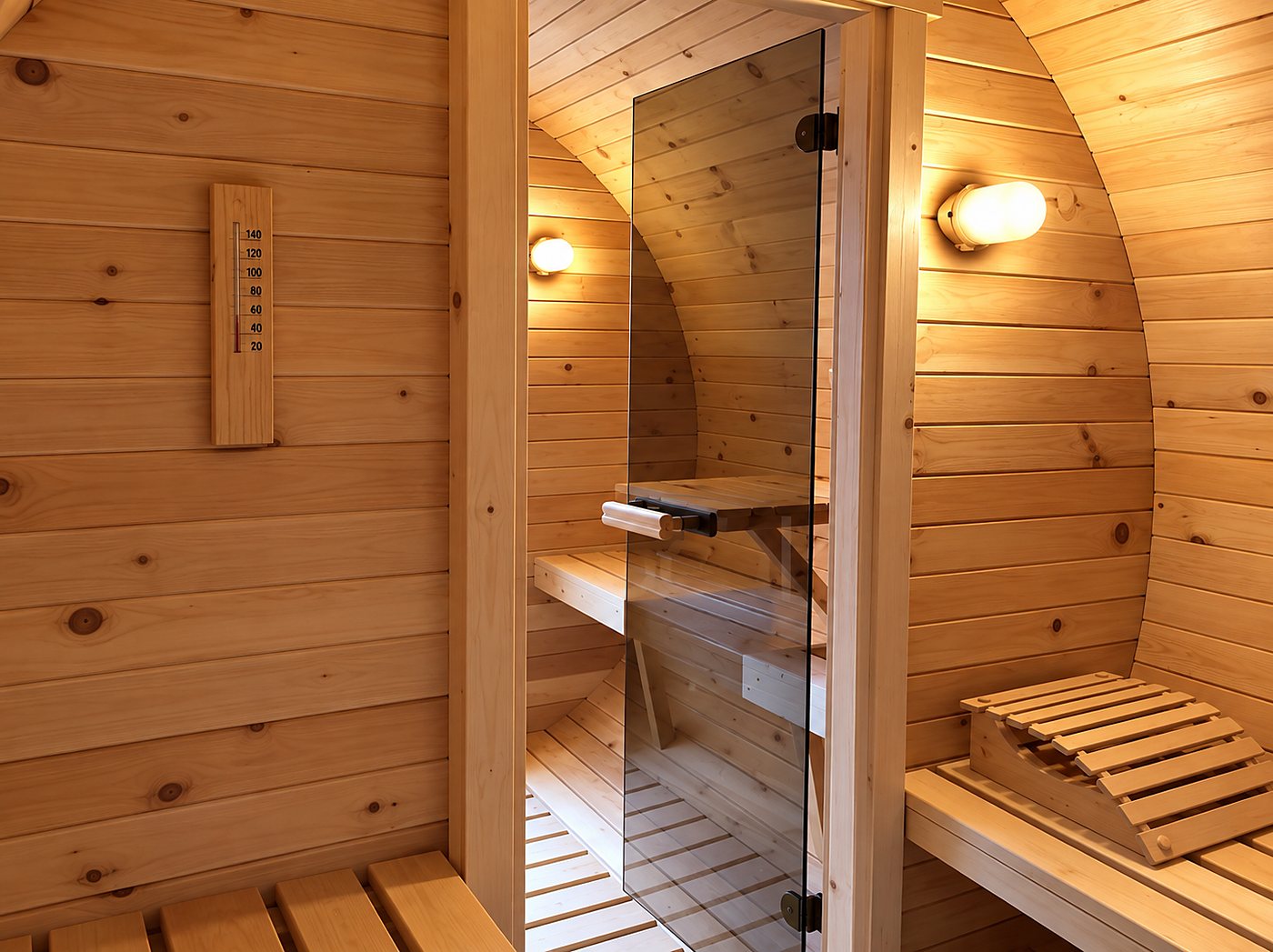
Running costs of a garden sauna: wood per evening, electricity per session, the costs people forget, and the habits that cut the bill the most.
Read →Name and phone number — we will message you on WhatsApp, help you pick the size and price it with delivery to your address.
Cookies
Besides the essential ones, we use cookies for visit statistics and measuring ad performance. We turn them on only with your consent. Privacy.